
Will Negative Gearing Changes Push Rents Higher?

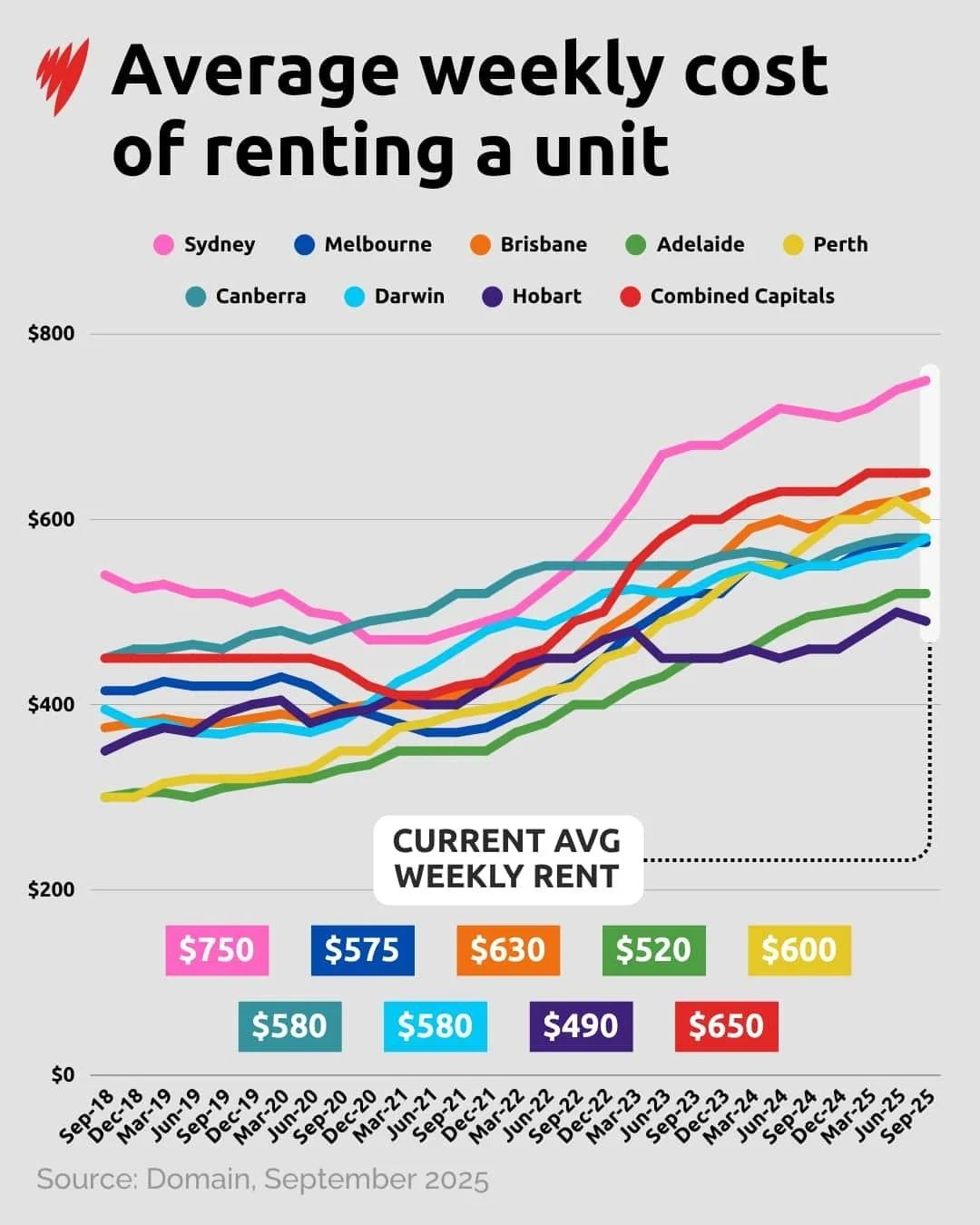
One of the biggest debates following the 2026 Federal Budget is whether proposed changes to negative gearing could unintentionally increase rental pressure across Australia.
While the reforms aim to improve affordability for first home buyers, many economists and housing experts believe there may be unintended consequences for renters.
Private investors currently provide a large percentage of Australia’s rental housing supply.
If fewer investors purchase established homes moving forward, the number of rental properties available may reduce over time.
According to Ray White chief economist Nerida Conisbee, when rental homes are sold to owner occupiers, the rental pool becomes smaller while rental demand continues growing.
This imbalance has the potential to push rents even higher.
Several economists have also estimated that removing negative gearing on established homes could dramatically increase holding costs for future investors.
For many investors, the financial impact could feel similar to multiple additional interest rate rises from a cashflow perspective.
As a result, some investors may choose to:
Move toward new construction projects
Invest in commercial property instead
Delay purchasing decisions
Exit the residential investment market entirely
The long term impact on rental supply will become clearer over the coming years.
For high demand lifestyle markets like the Gold Coast, maintaining healthy rental supply remains incredibly important as population growth continues.
Sources
• Domain – Will Negative Gearing Changes Increase Rents?
• Australian Property Update – CGT Discount Cut & Negative Gearing Scrapped
• RealEstate.com.au – Property Industry Warns Negative Gearing Overhaul Could Worsen Housing Shortage
• Weekly market commentary and economist analysis